
A Homeowner’s Guide to Accurate Renovation Estimates

Dreaming of a new kitchen, an extra bathroom, or a finished basement? The first step toward making that dream a reality isn’t picking out paint colors,it’s understanding your renovation estimate. This document is your project’s blueprint, but for your budget. A clear, detailed estimate protects you from surprise costs and lays the foundation for a successful, stress-free renovation. Let’s break down everything you need to know to read, compare, and trust your home renovation estimates.
Understanding Your Home Renovation Estimate
A home renovation estimate is much more than a single number on a page. It’s a formal proposal from a contractor that outlines the predicted costs, materials, labor, timeline, and scope of work for your project. Think of it as a roadmap that shows you exactly where your investment is going before the first hammer is swung.
A good estimate transforms a vague idea into a concrete plan. It details what will be done, how it will be done, what materials will be used, how long it will take, and of course, how much it will cost. This clarity is essential for setting realistic expectations and building trust between you and your contractor.
The Difference Between an Estimate and a Quote
You might hear the terms “estimate” and “quote” used interchangeably, but there’s a key difference. An estimate is an educated projection of costs, which can change slightly as final plans and material selections are made. A quote or fixed-price bid is a firm, guaranteed price for the defined scope of work. Always clarify which you are receiving.
Why Accurate Estimates Matter for Homeowners
An accurate estimate is your primary tool for financial planning. It allows you to budget effectively, secure financing if needed, and ensure the project aligns with your financial comfort zone. Without it, you risk starting a project you can’t afford to finish, leading to stress, delays, and half-completed work.
Beyond budgeting, a detailed estimate establishes clear expectations. It defines the project’s boundaries, preventing misunderstandings about what is and isn’t included. This document becomes the reference point for the entire project, helping to avoid disputes and ensuring everyone is on the same page from day one. For a broader look at working with pros, our resource on home renovation contractors in the USA covers the entire process.
Ready to move from planning to action with a trusted professional? Get Your Free Quote today or call us at (877) 958-5264 to discuss your project.
Common Issues with Renovation Estimates and Their Causes
The most frequent homeowner complaint is the dreaded “cost overrun.” This happens when the final bill is significantly higher than the initial estimate. While some factors are unpredictable, many overruns stem from vague or incomplete estimates that fail to account for key project elements.
Another common issue is the “low-ball” estimate. A surprisingly low number might be tempting, but it often signals a contractor cutting corners, using subpar materials, or planning to hit you with numerous change orders later. It can also mean they’ve simply overlooked critical parts of the job.
- Vague Scope of Work: Descriptions like “update bathroom” are too broad and leave room for interpretation.
- Missing Line Items: Failing to list costs for permits, waste disposal, or site preparation.
- Unrealistic Timelines: Underestimating how long quality work takes, leading to rushed jobs or schedule conflicts.
- Fluctuating Material Costs: Using outdated pricing or not accounting for market volatility.
How Professional Contractors Create Reliable Estimates
A reputable contractor follows a meticulous process to build an estimate. It starts with a thorough on-site consultation. They’ll measure, assess existing conditions (like plumbing and electrical), and discuss your vision in detail to understand the full scope. This step is crucial for accuracy.
Next, they break the project down into phases: demolition, rough-in work (electrical, plumbing), installation, finishes, and clean-up. For each phase, they calculate material quantities, specify brands and grades, and estimate the labor hours required from skilled tradespeople. They also factor in overhead costs like insurance, licensing, and equipment.
- On-Site Assessment & Scope Definition
- Detailed Material & Labor Takeoff
- Research & Pricing of All Line Items
- Inclusion of Contingency & Overhead
- Presentation & Review with the Homeowner
Need a precise estimate for your upcoming project? Contact Us for a Detailed Estimate or call (877) 958-5264. We believe in transparency from the start.
Signs of a Problematic Estimate You Should Not Ignore
If an estimate feels rushed or looks sloppy, it often reflects how the project will be managed. A single-page document with one lump-sum price is a major red flag. It provides no insight into cost distribution and offers no protection if disagreements arise later.
Be wary of contractors who pressure you to sign immediately or who are reluctant to put detailed specifications in writing. A trustworthy professional is proud of their thorough planning and wants you to feel confident and informed. For inspiration on what’s possible with proper planning, explore trendiest home renovation ideas to fuel your vision.
- The “Back-of-the-Napkin” Quote: No formal document, just a handwritten number.
- Large Upfront Payment Demands: Requesting more than 10-20% as a deposit before work begins.
- No License or Insurance Information: The estimate should list the contractor’s business license and insurance details.
- Unwillingness to Provide References: Avoids letting you speak with past clients.
Cost Factors and What Affects Your Renovation Pricing
Material choices have the most significant impact on your budget. The difference between stock cabinets and custom built-ins, or between vinyl and hardwood flooring, can be tens of thousands of dollars. Your contractor should specify material grades and brands in the estimate so you can make informed trade-offs.
Labor is another major component. Complexity of design, local labor rates, and the need for specialized tradespeople (like electricians or plumbers) all affect the price. Additionally, site accessibility, the age of your home (which may involve updating old systems), and regional costs for permits and inspections play a role.
Don’t navigate the selection process alone. To find vetted professionals in your area, check out our list of top-rated home renovation experts in Tennessee as an example of the quality partners we connect you with.
How to Choose the Right Professional for Your Renovation
Start by seeking multiple estimates,aim for at least three. This gives you a basis for comparison on both price and approach. But remember, the goal isn’t just to find the lowest number; it’s to find the best value and the contractor you trust most.
Interview each contractor. Ask how they handle unexpected issues, their communication process, and who will be on-site daily. Verify their license and insurance, and actually call their references. Look at completed projects similar to yours. The right fit is a combination of professionalism, clear communication, and a portfolio that aligns with your style.
Long-Term Benefits of a Well-Estimated Renovation
Investing time in securing a detailed, accurate estimate pays dividends long after the project is complete. It ensures your money is spent efficiently on durable materials and quality craftsmanship, which increases your home’s value and longevity. You avoid the costly cycle of repairs that stem from poor-quality work.
Most importantly, a smooth, predictable renovation process preserves your peace of mind. You can enjoy the transformation of your home without the constant anxiety of hidden costs or timeline blowouts. The confidence that comes from a job well done, on budget and on schedule, is the ultimate benefit of starting with a solid estimate.
Frequently Asked Questions About Renovation Estimates
How long should a contractor take to provide an estimate?
A thorough estimate for a medium to large project should take a few days to a week to prepare. It requires careful measurement, material research, and labor calculations. Be cautious of anyone who provides an immediate, detailed quote on the spot.
Should I always choose the lowest estimate?
Not necessarily. The lowest bid can sometimes mean cutting corners, using inferior materials, or an incomplete understanding of the scope. Compare the details line-by-line and consider the contractor’s reputation, communication, and your comfort level with them.
What is a contingency fund, and do I need one?
A contingency is a reserve of money, typically 10-20% of the total project cost, set aside for unforeseen issues like hidden water damage or structural surprises. A good estimate will include a recommended contingency line item.
What should I do if I get estimates with very different prices?
Scrutinize the scope of work. A much lower price likely means something is missing. A much higher price might include items the others overlooked or reflect a higher level of quality. Ask each contractor to explain their pricing breakdown.
Can I negotiate a renovation estimate?
Yes, but focus on value, not just price. You can discuss using alternative materials, phasing the project, or adjusting the scope. A good contractor will work with you to find solutions that meet your budget without compromising critical work.
What’s included in “labor” costs on an estimate?
Labor costs cover the wages for all tradespeople, the project manager’s time, worker’s compensation insurance, payroll taxes, and the contractor’s overhead for tools and vehicles. It’s more than just an hourly rate.
How are payment schedules typically structured?
A standard schedule involves a small deposit (10-20%), progress payments tied to completed milestones (e.g., after framing, after drywall), and a final payment (10-25%) upon your complete satisfaction after a final walkthrough. Never pay the full amount upfront.
What if I want to make a change after the estimate is signed?
This is called a change order. Any change in scope, materials, or timeline should be documented in a written change order that details the adjusted cost and schedule. This keeps the project organized and avoids disputes.
Starting your renovation journey with a clear, comprehensive estimate is the smartest first move you can make. It empowers you as a homeowner, sets the stage for a professional partnership, and turns your renovation vision into a predictable, enjoyable reality. By understanding what goes into this crucial document, you invest not just in your home, but in your confidence throughout the entire process.

About
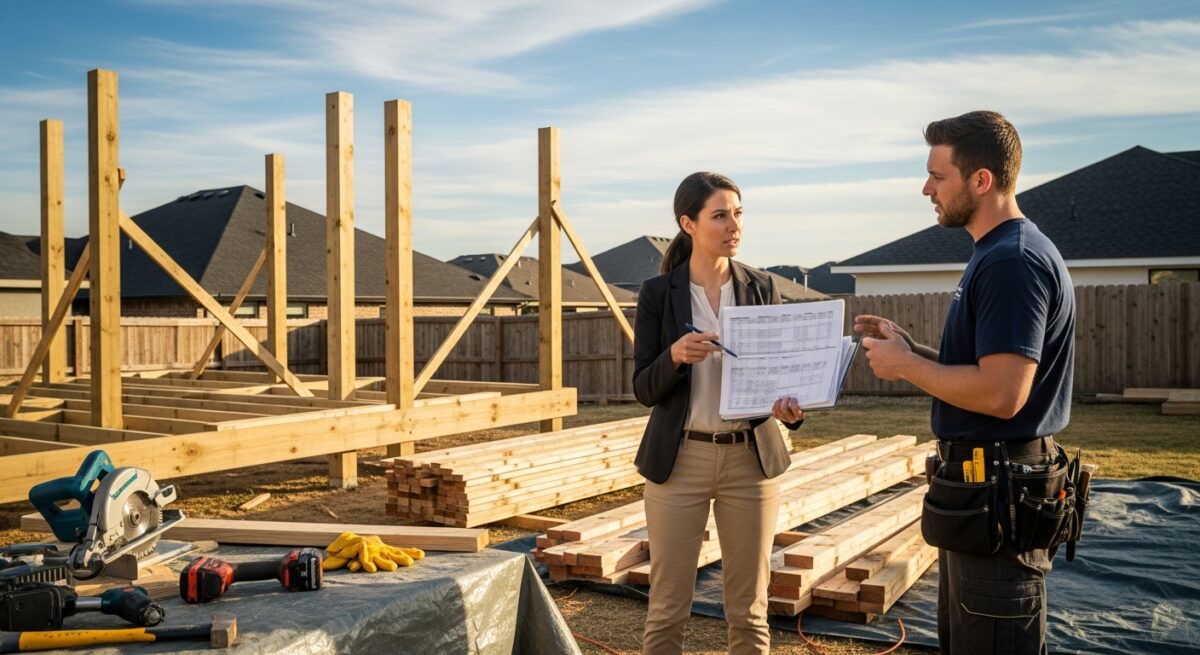
Understanding Deck Installation Quotes For Your Home
Get a clear explanation of deck installation quotes. Learn what influences cost, how to compare bids, and ensure you get a fair price for your dream deck.
A Homeowner’s Guide to Accurate Renovation Estimates
Demystify your renovation budget. Our clear guide explains how to read, compare, and trust home renovation estimates to protect your investment.
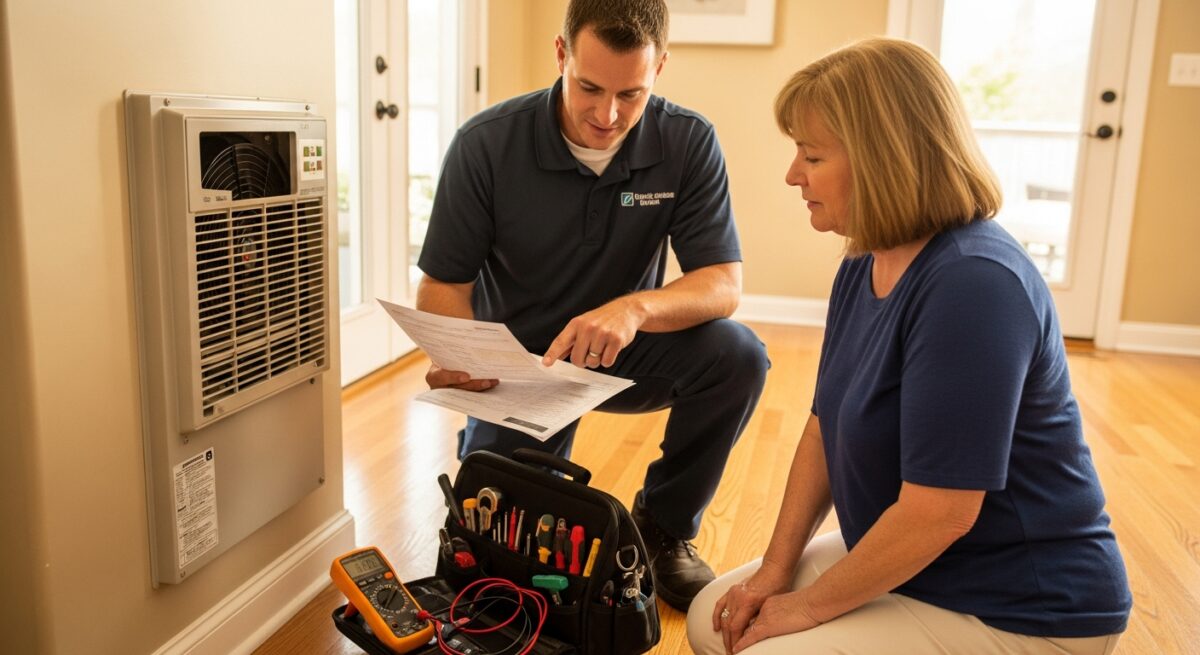
Understanding Air Conditioning Repair Quotes for Homeowners
Confused by AC repair quotes? Our guide breaks down what to expect, how to compare estimates, and how to choose the right pro for a fair, lasting fix.
Find a Pro!
"*" indicates required fields