
Average Cost for Home Addition: What Homeowners Need to Know
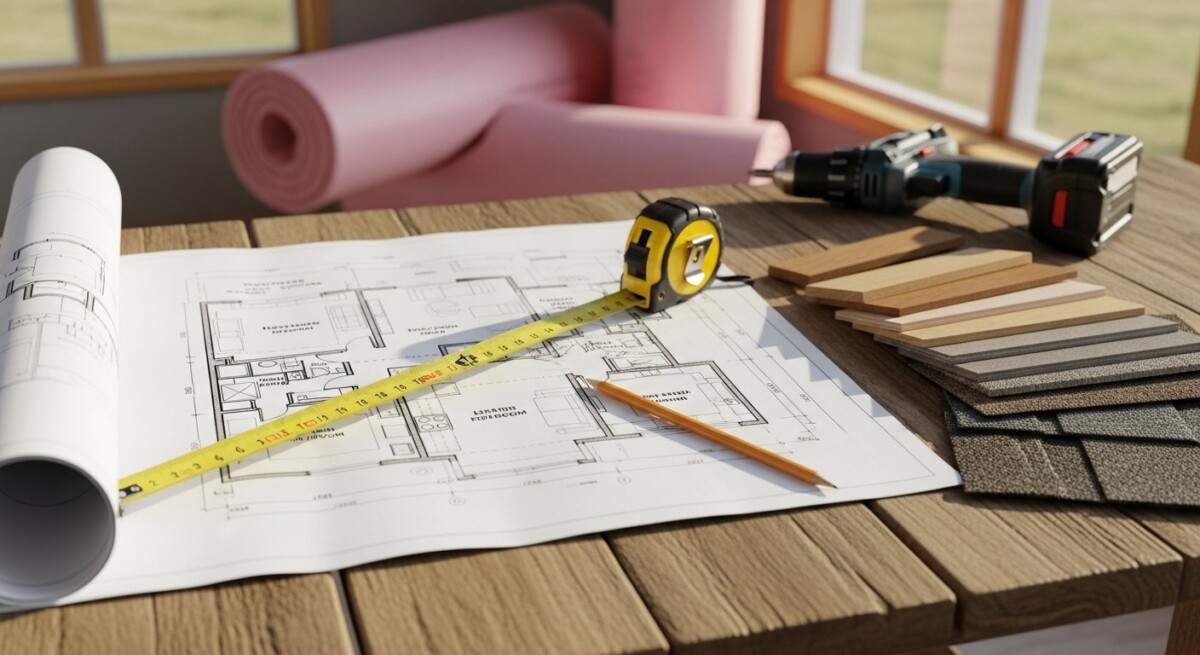
You’ve been thinking about it for months,maybe years. The kitchen feels cramped, the kids are sharing a bedroom that’s too small, or you simply need a home office that doesn’t double as a laundry room. A home addition seems like the perfect solution, but every time you start researching, you hit the same wall: what does it actually cost? You search online, find ranges that swing from $20,000 to $200,000, and feel more confused than when you started. This uncertainty often leads homeowners to delay the project, hoping prices will drop or that they’ll stumble upon a magic budget number. Unfortunately, waiting can mean missing out on the space and value your home needs,and in some cases, it can lead to rushed decisions or costly mistakes. Understanding the average cost for home addition is the first step toward turning your vision into a smart, manageable investment.
Understanding Average Cost for Home Addition
In simple terms, the average cost for home addition refers to the typical price homeowners pay to add new livable square footage to their existing house. This isn’t a one-size-fits-all number,it varies based on the type of addition (bedroom, bathroom, second story, or sunroom), the materials you choose, and where you live. For most single-family homes in the United States, homeowners spend between $22,000 and $80,000 for a standard room addition, though larger or more complex projects can easily exceed $150,000.
Why does the cost swing so much? Several factors come into play: foundation work, roofing, electrical and plumbing hookups, insulation, and finishing details like flooring and trim. Homes with slab foundations or limited access for heavy equipment may require extra labor, driving costs higher. Older homes often need structural updates to meet current building codes, which adds to the total. The key takeaway? The average cost for home addition is a starting point,not a final price,and your specific home’s condition and your design choices will determine the real number.
Homes most affected by cost fluctuations are those with unique layouts, difficult lot conditions, or outdated systems. If your home is more than 30 years old, you may need to upgrade the electrical panel or HVAC system to support the new space. Similarly, if you’re adding a second story, the cost jumps significantly because of the need for structural reinforcement, scaffolding, and additional safety measures.
Why This Matters for Your Home
Ignoring the true cost of a home addition can lead to serious problems down the road. Underestimating the budget often forces homeowners to cut corners,choosing cheaper materials or skipping professional design help,which can result in a finished space that feels unfinished or, worse, develops issues like leaks, poor insulation, or uneven floors. These problems don’t just affect comfort; they can lower your home’s resale value and lead to expensive repairs later.
Beyond financial risks, there are safety concerns. A poorly planned addition can compromise your home’s structural integrity,especially if you’re removing load-bearing walls or adding weight to an existing foundation. Improper electrical or plumbing work can create fire hazards or water damage that spreads to other parts of the house. And if the addition isn’t permitted or inspected, you could face fines or difficulties when selling your home.
On the flip side, a well-budgeted, professionally executed addition does more than just give you extra space. It improves your daily life, increases your property value, and often pays for itself when you sell. According to Remodeling Magazine’s Cost vs. Value report, a midrange home addition recovers about 60,70% of its cost in added home value,making it one of the smarter investments you can make.
If you notice signs of this issue in your home, it may help to speak with a qualified contractor. Request a free quote or call (555) 123-4567 to explore your repair or remodeling options.
Common Problems Homeowners Experience
Even when homeowners set a realistic budget, unexpected challenges can arise. One of the most common problems is discovering hidden issues once construction begins,like outdated wiring, mold behind walls, or a foundation that isn’t as strong as assumed. These surprises can add thousands to the final bill and delay your timeline by weeks.
Another frequent frustration is mismanaging the scope of work. Homeowners often start with a simple room addition, then decide mid-project to add a bathroom, upgrade windows, or change the roofline. While these changes make sense in the moment, they can quickly balloon costs and complicate permits. Without a clear plan from the start, it’s easy to overshoot your budget.
Here are some common issues homeowners face when planning a home addition:
- Underestimating total costs , Not accounting for permits, design fees, or unexpected structural repairs.
- Foundation problems , Cracks or settling that require reinforcement before building.
- HVAC and electrical upgrades , Adding square footage often means upgrading your heating, cooling, and electrical systems.
- Zoning and permit delays , Local regulations may limit how close you can build to property lines or require special approvals.
- Material shortages or price increases , Lumber, windows, and roofing can spike in cost, especially during peak construction seasons.
- Poor contractor communication , Misaligned expectations about timeline, payment schedules, and change orders can lead to frustration.
How Professionals Solve the Problem
Experienced contractors bring more than just tools,they bring a process. A professional home addition contractor starts with a thorough site assessment, including checking your foundation, roof structure, and existing systems. They also pull the necessary permits and work with your local building department to ensure everything meets code. This upfront work eliminates surprises and keeps the project on track.
The typical professional process follows these steps:
- Initial consultation and design , Discuss your needs, budget, and timeline; a designer or architect may create blueprints.
- Permitting and approvals , Submit plans to your local building department and wait for approval (usually 2,6 weeks).
- Site preparation , Clear the area, protect existing landscaping, and set up temporary structures if needed.
- Foundation and framing , Pour a foundation (or reinforce existing), then frame walls, roof, and floors.
- Rough-in work , Install electrical wiring, plumbing pipes, and HVAC ductwork before closing walls.
- Insulation and drywall , Add insulation, hang drywall, tape, and mud joints.
- Finishing touches , Paint, install flooring, trim, cabinets, fixtures, and final connections.
- Final inspection , A building inspector signs off on the work; you get a certificate of occupancy.
Professional work is safer and more reliable than DIY attempts because contractors carry liability insurance, warranty their work, and have experience navigating complex building codes. A DIY mistake,like cutting a load-bearing beam or miswiring a circuit,can cost far more to fix than hiring a pro in the first place. Plus, professionals often have relationships with suppliers, which can save you money on materials.
A professional inspection can reveal hidden issues before they become expensive repairs. Compare contractor quotes here or call (555) 123-4567 to discuss your project.
Warning Signs You Should Not Ignore
Sometimes the need for a home addition is obvious,you’re outgrowing your space. But other times, the warning signs are subtler. If you find yourself constantly rearranging furniture to make rooms functional, or if family members are avoiding certain areas because they feel cramped, it’s a sign your home’s layout isn’t working for your lifestyle.
Even if you’re not planning an addition right now, certain conditions in your home may make the project more urgent or more expensive if delayed. For example, if you have an unfinished basement or attic, those spaces can be converted into living areas at a lower cost than building out,but only if the structure is sound. Ignoring small cracks in the foundation or water stains near windows can turn a relatively simple addition into a major renovation.
Here are warning signs that suggest you may need to start planning (or budgeting) for a home addition:
- Rooms feel cluttered no matter how much you declutter , Your home’s square footage simply isn’t enough.
- You’re considering moving just for more space , Moving costs (agent fees, closing costs, moving truck) often exceed the cost of an addition.
- Your family is growing , A new baby, aging parent moving in, or adult child returning home creates immediate space needs.
- You work from home but have no dedicated office , Using the dining table or a bedroom corner isn’t sustainable long-term.
- Your home’s layout feels awkward , Rooms that don’t flow well or are oddly shaped can be fixed with a well-designed addition.
- You’ve outgrown your storage , If closets are overflowing and you’re renting off-site storage, an addition can include built-in cabinets and a larger pantry.
What Affects the Cost of Repairs or Installation
Several factors directly influence the average cost for home addition in your specific situation. Understanding these can help you set a realistic budget and avoid sticker shock when you receive contractor quotes.
Size and complexity are the biggest drivers. A 200-square-foot bedroom addition costs less per square foot than a 100-square-foot bathroom addition because bathrooms require expensive plumbing, tile, and fixtures. Similarly, a second-story addition costs roughly double the price of a ground-floor addition because of the need for scaffolding, structural reinforcement, and more complex roof work. Accessibility matters too,if your contractor can’t easily bring materials to the job site (narrow driveway, steep lot, limited street parking), expect higher labor costs. Materials also vary widely: standard vinyl windows and laminate flooring keep costs low, while custom wood windows and hardwood floors can add 30,50% to the total. Finally, your location plays a role,labor rates in urban areas like New York or San Francisco are significantly higher than in rural parts of the Midwest or South.
Costs can vary depending on the condition of your home. The best way to know the price is to get a personalized estimate. Request free quotes from contractors or call (555) 123-4567 today.
How to Choose the Right Contractor
Selecting the right contractor is one of the most important decisions you’ll make for your home addition. A good contractor not only builds your space,they manage the budget, schedule, and permits, and they communicate with you every step of the way. A bad contractor can turn your dream project into a nightmare of delays, cost overruns, and shoddy work.
Start by asking for recommendations from neighbors or friends who’ve had additions done. Then, research online reviews on sites like Google, Yelp, and the Better Business Bureau. Look for contractors who specialize in home additions,not just general remodeling,because the structural and permitting requirements are unique. Always verify that the contractor is licensed, insured, and bonded in your state. Ask for proof of general liability insurance and workers’ compensation coverage; if they can’t provide it, move on.
Here are tips for choosing the right contractor:
- Get at least three detailed quotes , Each should include a line-item breakdown of materials, labor, permits, and timeline.
- Check references , Call past clients and ask about communication, budget adherence, and whether they’d hire them again.
- Confirm experience with similar projects , If you’re adding a second story, hire a contractor who has done that specific type of work.
- Read the contract carefully , Make sure it includes payment schedules, change order procedures, and a warranty clause.
- Trust your gut , If a contractor pressures you to sign quickly or offers a price that seems too good to be true, it probably is.
Long-Term Benefits of Professional Work
Investing in a professionally built home addition pays dividends for years to come. First and foremost, you get a space that’s built to last,with proper insulation, moisture barriers, and structural support that prevents settling, cracks, and energy loss. This means lower utility bills and fewer maintenance headaches. A well-insulated addition keeps your home comfortable in all seasons, and energy-efficient windows and doors reduce your carbon footprint.
From a financial perspective, a professionally finished addition adds significant resale value. Appraisers and real estate agents look for quality workmanship, proper permits, and seamless integration with the existing home. An addition that looks like it was always part of the house,matching rooflines, siding, and window styles,commands a higher price than one that feels tacked on. Additionally, many home insurance companies offer lower premiums for homes with professionally installed additions because the risk of structural failure or fire is reduced.
Finally, there’s the intangible benefit of peace of mind. Knowing that your addition was built by licensed, insured professionals who stand behind their work means you can enjoy your new space without worrying about hidden problems. Whether it’s a home office, a playroom for the kids, or a guest suite for visiting family, a professionally built addition enhances your quality of life every single day.
What is the average cost for home addition in 2025?
As of 2025, the average cost for home addition ranges from $22,000 to $80,000 for a standard 200,400 square foot room. However, prices vary by region, with coastal and urban areas on the higher end. For the most accurate number, get quotes from local contractors who understand your market.
How much does a 20×20 room addition cost?
A 20×20 foot addition (400 square feet) typically costs between $40,000 and $80,000. The final price depends on whether it includes a bathroom, the type of foundation, and the quality of finishes. A basic shell (walls, roof, and windows) costs less than a fully finished room with flooring, paint, and trim.
Is a home addition worth the money?
Yes, for most homeowners. A well-designed addition adds usable space and can increase your home’s value by 60,70% of the project cost. If you love your neighborhood and plan to stay for 5+ years, an addition is often more cost-effective than moving to a larger home.
What is the cheapest type of home addition?
The cheapest type is a bump-out,a small extension (usually 50,100 square feet) that doesn’t require a full foundation. Bump-outs cost $5,000 to $15,000 and are great for expanding a kitchen or adding a small breakfast nook. Finishing an existing basement or attic is also relatively affordable, often $15,000,$30,000.
Do I need a permit for a home addition?
Almost always, yes. Most municipalities require building permits for any structural addition, even small ones. Permits ensure your addition meets safety codes for electrical, plumbing, and structural integrity. Skipping permits can lead to fines, forced removal of the addition, and problems when selling your home.
How long does a home addition take to build?
A typical single-room addition takes 3 to 6 months from start to finish. The timeline includes design (2,4 weeks), permitting (4,8 weeks), and construction (6,12 weeks). Complex projects like second-story additions or those requiring extensive foundation work can take 8,12 months.
Can I finance a home addition?
Yes. Many homeowners use home equity loans, home equity lines of credit (HELOCs), or cash-out refinancing to fund additions. Some contractors also offer financing options through third-party lenders. Compare interest rates and terms before committing,a HELOC often works well for projects with variable costs.
What’s the difference between a home addition and a remodel?
A home addition adds new square footage to your house, while a remodel changes the layout or finishes within existing walls. Additions cost more because they involve new foundations, roofing, and exterior walls. Remodels are generally cheaper but are limited by your current footprint.
Understanding the average cost for home addition is the first step toward making an informed decision about expanding your living space. Whether you need a home office, an extra bedroom, or a larger kitchen, knowing the numbers helps you plan realistically and avoid costly surprises. The best way to get started is to compare quotes from multiple licensed contractors. Each home is unique, and only a professional on-site evaluation can give you the accurate estimate you need. Don’t let uncertainty delay your project,reach out today and take the first step toward the home you’ve always wanted.

About

Secure Home Service Quote Platforms: Compare Contractors Safely
Learn how a secure home service quote platform helps homeowners compare vetted contractors, get free estimates, and avoid costly repair surprises.
How to Get a Roof Repair Quote: A Homeowner’s Guide
Learn how to request a roof repair quote, spot warning signs, compare contractor options, and protect your home from costly damage with professional help.
Average Cost for Home Addition: What Homeowners Need to Know
Learn the average cost for home addition, what affects pricing, and how to budget wisely. Get tips on choosing contractors and avoiding costly mistakes.
Find a Pro!
"*" indicates required fields