
Why Project Pricing Changes: A Guide for Homeowners
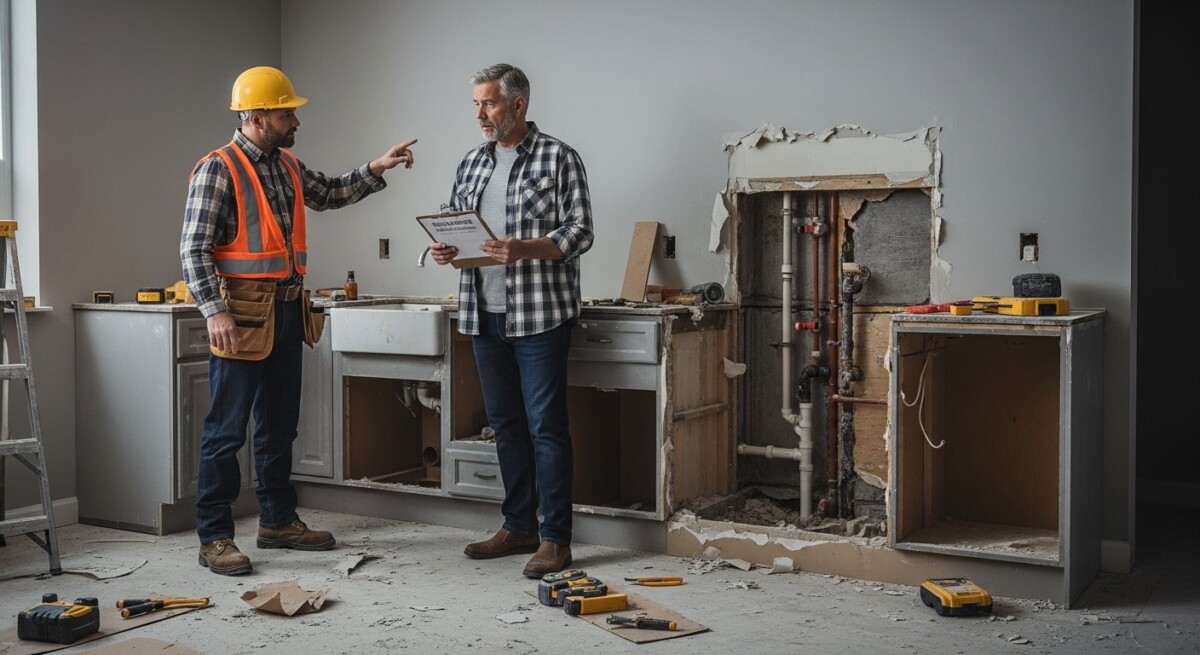
You finally decided to remodel your kitchen or replace your old roof. You received a quote you felt comfortable with, and you were ready to move forward. Then, a few days later, the contractor called back with a new number that was significantly higher. You felt frustrated and confused, wondering if you were being taken advantage of. This scenario is more common than you might think, and understanding why project pricing changes is the first step toward protecting your budget and your peace of mind.
Pricing shifts can happen for many reasons, from hidden structural problems to sudden material shortages. When homeowners don’t know what causes these changes, they often delay the project or choose the cheapest bid, which can lead to poor workmanship and even higher costs later. In our guide on Why Project Pricing Changes: A Guide for Homeowners, we explain the common triggers and what you can do about them.
Understanding Why Project Pricing Changes
Project pricing changes simply mean the final cost of your home repair or renovation differs from the initial estimate. This happens in nearly every type of home project, from small bathroom updates to major structural repairs. The key is knowing that not all price changes are a sign of a bad contractor , many are unavoidable and based on real-world conditions.
Pricing often changes because contractors cannot see every detail of your home’s condition during a quick walkthrough. Once they open a wall or remove old flooring, they may discover rot, outdated wiring, or plumbing issues that must be fixed before the project can continue. Homes built before 1980 are especially likely to have hidden problems that affect the final price.
Why Estimates Differ from Final Costs
An estimate is an educated guess based on visible conditions and average material costs. It is not a fixed price. Contractors use estimates to give you a ballpark figure, but the final invoice reflects the actual work required. This is standard practice in the home improvement industry.
Why This Matters for Your Home
Ignoring the possibility of pricing changes can lead to serious consequences for your home and your wallet. When homeowners choose a contractor based solely on the lowest initial quote, they often end up with incomplete work, low-quality materials, or unexpected fees that push the total cost far above a fair market price.
Delaying necessary repairs because of pricing concerns can also cause small issues to become major problems. A small roof leak that costs a few hundred dollars to fix today can turn into thousands of dollars in water damage and mold remediation if ignored for a year. Safety risks, such as faulty wiring or unstable foundations, only get worse with time.
Understanding pricing changes helps you plan your budget realistically and avoid the stress of surprise costs. It also empowers you to ask better questions when interviewing contractors, ensuring you hire someone who communicates clearly and honestly.
If you notice signs of this issue in your home, it may help to speak with a qualified contractor. Request a free quote or call to explore your repair or remodeling options.
Common Problems Homeowners Experience
Homeowners often encounter the same set of problems when project pricing changes unexpectedly. The most common issue is discovering that the initial estimate did not include critical work, such as bringing old electrical systems up to current code. This can add thousands to the final bill.
Another frequent problem is material price volatility. Lumber, copper, and specialty finishes can jump in price between the time you sign a contract and when the materials are ordered. If the contractor’s quote did not include a price escalation clause, you may be asked to cover the difference.
- Hidden structural damage found after demolition begins
- Outdated plumbing or electrical systems that must be replaced
- Changes in local building codes requiring additional work
- Material price increases due to supply chain disruptions
- Scope creep, where homeowners add extra features mid-project
- Poor initial measurements leading to incorrect material orders
How Professionals Solve the Problem
Experienced contractors manage pricing changes by conducting thorough inspections and writing detailed contracts that anticipate common variables. They use moisture meters, infrared cameras, and structural assessments to uncover hidden issues before providing a final quote. This upfront work reduces surprises later.
A reliable contractor also builds a contingency buffer into their estimate , typically 10 to 20 percent , to cover unexpected costs without asking the homeowner for more money. They communicate any changes immediately and get written approval before proceeding with additional work.
- Complete a detailed on-site inspection, including attic, crawlspace, and utility areas
- Provide a written estimate that lists all materials, labor, and potential variables
- Explain the contingency plan and how price changes will be handled
- Order materials as early as possible to lock in current prices
- Update the homeowner daily on progress and any cost adjustments
Professional work is safer and more reliable than DIY fixes because contractors carry insurance, follow building codes, and guarantee their work. A DIY mistake can void your homeowner’s insurance and cost more to fix than hiring a pro in the first place.
A professional inspection can reveal hidden issues before they become expensive repairs. Compare contractor quotes here or call to discuss your project.
Warning Signs You Should Not Ignore
Some warning signs indicate that your project may experience significant pricing changes. If a contractor gives you a quote over the phone without visiting your home, that number is almost certain to change. Similarly, if the estimate is much lower than others you received, the contractor may be lowballing to win the job and will add charges later.
Pay attention to vague language in contracts, such as “additional work billed at hourly rates” or “materials subject to market price.” These phrases often lead to unexpected costs. Also, be wary of contractors who pressure you to sign immediately or who refuse to put the estimate in writing.
- A quote given without a physical inspection of your home
- Estimates that are significantly lower than all other bids
- Contracts that lack a detailed scope of work or material list
- Contractors who ask for large upfront payments before work begins
- Vague language about “unforeseen conditions” without a cap on added costs
- Reluctance to provide references or proof of insurance
What Affects the Cost of Repairs or Installation
Several factors directly influence the final price of any home project. The size and complexity of the job are the most obvious: a full kitchen remodel costs more than a countertop replacement. But even within similar projects, costs vary based on the materials you choose, the condition of your home, and local labor rates.
Accessibility also matters. A roof with a steep pitch or a bathroom on the third floor requires more safety equipment and labor, increasing the price. The age of your home plays a role too , older homes often have non-standard measurements, outdated systems, and materials like lead paint or asbestos that require special handling.
Market conditions, such as seasonal demand and regional material availability, can also cause pricing changes. For example, roofing projects tend to cost more in hurricane-prone areas during storm season. Understanding these variables helps you set a realistic budget and avoid sticker shock.
Costs can vary depending on the condition of your home. The best way to know the price is to get a personalized estimate. Request free quotes from contractors or call today.
How to Choose the Right Contractor
Selecting the right contractor is the most important decision you will make for your home project. A trustworthy contractor will explain why project pricing changes may occur and how they plan to handle them. They will also provide a clear, written contract that protects both parties.
Start by getting at least three detailed quotes for your project. Compare not just the bottom line, but what each contractor includes in their scope of work. The cheapest quote is rarely the best value, and the most expensive is not always the highest quality.
- Verify the contractor’s license and insurance for your state
- Read online reviews on Google, Yelp, and the Better Business Bureau
- Ask for a written estimate that breaks down materials, labor, and contingency
- Get quotes from at least three contractors before deciding
- Confirm the contractor has experience with projects similar to yours
For more detail on how estimates are built and what to look for, see our complete guide on the Home Project Pricing System: A Complete Guide for Homeowners.
Long-Term Benefits of Professional Work
Investing in professional repairs and remodeling pays off over the long term. Professional work is built to last, using quality materials and techniques that meet local building codes. This means fewer repairs down the road and a home that maintains its value.
Energy efficiency is another major benefit. A properly installed roof, windows, or HVAC system can lower your monthly utility bills by 15 to 30 percent. Professional contractors also offer warranties on their work, giving you peace of mind if something goes wrong after the project is complete.
Finally, professional work increases your home’s resale value. When you sell, buyers and appraisers will look for permits, warranties, and evidence of quality construction. A home with documented professional upgrades sells faster and for a higher price than one with DIY or unpermitted work.
What is the difference between an estimate and a fixed-price contract?
An estimate is a rough calculation of expected costs and can change based on actual conditions. A fixed-price contract sets a total price in advance, and the contractor bears the risk of cost overruns. Fixed-price contracts are better for homeowners but may include a higher initial price to cover that risk.
Why did my contractor increase the price after starting the work?
This usually happens because the contractor discovered hidden issues, such as water damage, outdated wiring, or structural problems, that were not visible during the initial inspection. Reputable contractors will stop work, explain the issue, and get your approval before proceeding with additional costs.
Can I negotiate a lower price if the contractor finds extra work?
Yes, you can negotiate, especially if the extra work is small. However, keep in mind that the contractor has a right to be paid for legitimate additional labor and materials. A fair approach is to ask for a detailed breakdown of the extra costs and compare it to market rates.
How can I avoid surprise price increases on my home project?
Ask for a fixed-price contract whenever possible. Also, request a thorough inspection before signing, and ensure the contract includes a detailed scope of work and a contingency clause. Avoid contractors who give quotes over the phone without visiting your home.
What should I do if a contractor demands more money mid-project?
First, review your contract to see if the additional work is covered. If it is a legitimate change order, ask for a written explanation and a new price before approving. If the demand seems unfair, pause the project and get a second opinion from another contractor.
Are material price increases the homeowner’s responsibility?
It depends on your contract. Some contracts include a material price escalation clause that passes cost increases to the homeowner. Others lock in material prices at the time of signing. Read your contract carefully and ask about this before you sign.
How much should I budget for unexpected costs on a home renovation?
Most experts recommend setting aside 10 to 20 percent of your total budget for unexpected costs. This contingency fund covers hidden damage, code upgrades, and material price fluctuations without derailing your project.
Is it normal for contractors to offer different prices for the same project?
Yes, it is very normal. Contractors have different overhead costs, profit margins, and relationships with suppliers. They also may assess the scope of work differently. Comparing multiple quotes helps you understand the market rate and choose the best value.
Understanding why project pricing changes helps you approach your home improvement plans with confidence. By planning for potential cost shifts, asking the right questions, and working with a reputable contractor, you can avoid surprises and keep your project on track. Before you commit to any work, take the time to compare contractor quotes and choose a professional who communicates clearly and honestly.

About
Best Platforms to Get Contractor Quotes for Home Repairs
Learn how to find the best platforms to get contractor quotes for home repairs. Compare bids, avoid costly mistakes, and hire with confidence.

How to Connect With Local Contractors Online: A Homeowner’s Guide
Learn how to connect with local contractors online to find reliable pros for repairs or remodeling. Simple tips for homeowners to get quotes and protect their home.
Why Project Pricing Changes: A Guide for Homeowners
Learn why project pricing changes during home repairs and remodels, how to avoid surprise costs, and how to choose a trustworthy contractor for your project.
Find a Pro!
"*" indicates required fields