
Fence Installation Quote Requests: A Homeowner’s Guide to Smart Planning
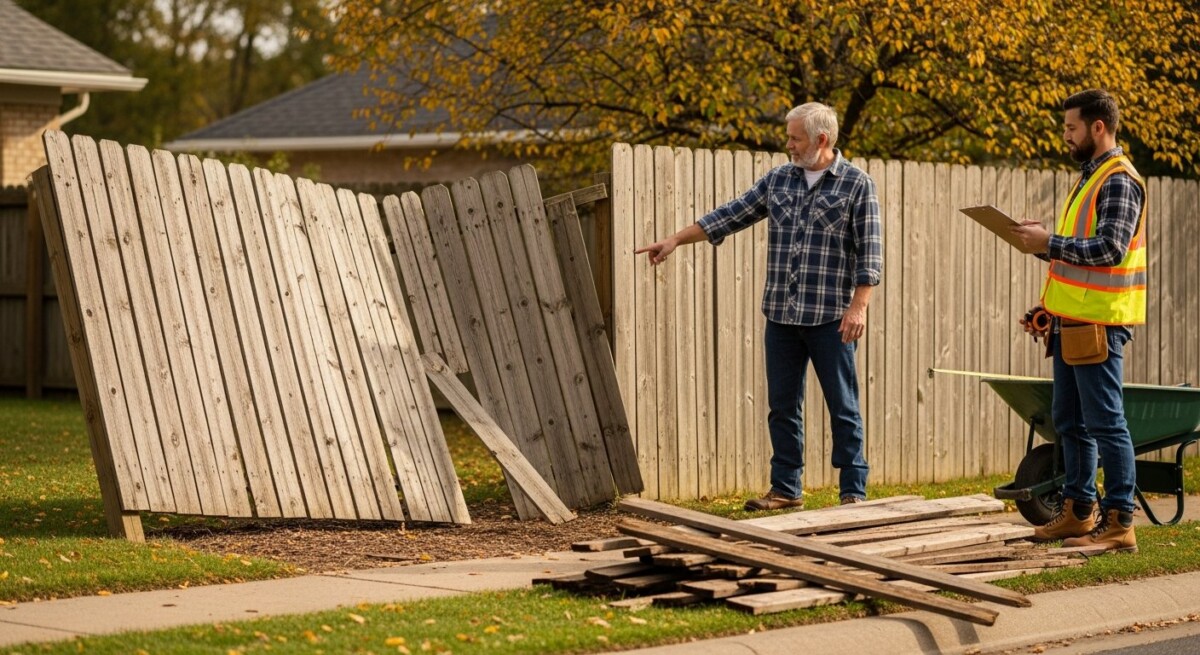
You’ve noticed your fence leaning after a storm, or maybe the wood is starting to rot near the ground. That first sign of trouble often appears harmless,a loose board here, a rusted hinge there,but left unchecked, a failing fence can turn into an expensive headache. Whether you’re replacing an old barrier or building a new one for privacy, the process starts with one crucial step: understanding fence installation quote requests. Getting multiple quotes doesn’t just help you compare prices; it protects your property, your budget, and your peace of mind.
Understanding Fence Installation Quote Requests
A fence installation quote request is simply asking contractors to inspect your property and provide a written estimate for the work. This request includes details like the fence length, material preferences (wood, vinyl, chain link, or aluminum), gate locations, and any special site conditions. Most reputable contractors offer free, no-obligation quotes because they know homeowners need to compare options before committing.
These requests matter because fencing costs vary widely based on your property’s layout, soil type, and local labor rates. A quote from one company might be double another’s, but the difference often lies in material quality, warranty terms, or hidden fees like stump removal or permit costs. By requesting several quotes, you gain the leverage to ask informed questions and avoid overpaying. Homes with sloped yards, rocky soil, or older fences that need demolition are especially affected, as these conditions increase labor time and material waste.
Why This Matters for Your Home
Your fence does more than mark a boundary,it provides security, privacy, and curb appeal. A poorly installed or deteriorating fence can lower your property value and create safety risks. For example, a rotting wooden post might collapse under heavy wind, injuring a child or damaging a neighbor’s car. Delaying repairs also invites pests like termites or rodents, which can spread to your home’s foundation.
Beyond safety, ignoring fence problems leads to escalating costs. A single broken panel might cost $150 to fix today, but if the rot spreads to adjoining posts, your repair bill could jump to $1,200 or more. Similarly, a fence that’s leaning due to poor installation will eventually require full replacement rather than simple bracing. Investing in professional work now saves you from paying double later.
If you notice signs of this issue in your home, it may help to speak with a qualified contractor. Request a free quote or call (555) 123-4567 to explore your repair or remodeling options.
Common Problems Homeowners Experience
Homeowners often discover fence problems after a storm, during a property survey, or when a neighbor complains about an overhanging section. These issues rarely appear overnight,they develop gradually, making them easy to overlook until they become urgent. The most frequent complaints include leaning posts, cracked rails, and gates that no longer latch properly.
Another common scenario involves fences that are simply outdated. A 20-year-old wooden fence may look okay from a distance, but termite damage or dry rot can make it structurally unsound. Similarly, chain-link fences rust over time, especially in humid climates, leading to sharp edges that can cut skin or snag clothing.
- Leaning or sagging sections , often caused by loose soil around posts or broken concrete footings.
- Rotted wood at ground level , moisture wicks into untreated wood, softening the base.
- Rusting metal components , chain-link or wrought-iron fences corrode in coastal or rainy areas.
- Gaps beneath the fence , soil erosion or shifting ground creates spaces where animals can dig under.
- Broken or missing pickets , wind, impact, or age can snap individual boards.
- Gates that drag or stick , settling posts cause misalignment, making gates hard to open.
How Professionals Solve the Problem
Experienced contractors bring more than tools,they bring knowledge of local building codes, soil conditions, and material performance. When you hire a professional, they start with a thorough site assessment. They check for underground utilities, measure property lines, and evaluate drainage patterns that could affect post stability. This upfront work prevents costly mistakes like building on a neighbor’s land or installing a fence that traps water against your foundation.
The typical installation process follows a clear sequence. First, the contractor marks the boundary and obtains any required permits. Next, they dig post holes to the correct depth (usually 24,36 inches depending on frost line and fence height). After setting posts in concrete, they attach rails and panels, ensuring everything is level and plumb. Finally, they install gates, hardware, and trim, then clean up the site. Professionals also address hidden problems,like replacing rotted posts discovered during digging,without surprise charges if you’ve agreed on a transparent quote.
A professional inspection can reveal hidden issues before they become expensive repairs. Compare contractor quotes here or call (555) 123-4567 to discuss your project.
Warning Signs You Should Not Ignore
Some fence problems are obvious, but others hide in plain sight. Walking your property line every few months can help you catch issues early. Pay special attention after heavy rain or wind, as these conditions stress weak points. Early detection often means you can repair a section instead of replacing the entire fence.
Keep an eye on your fence’s appearance from both sides,the side facing your neighbor may look fine while the side facing your yard is rotting. Also, test your gates periodically. If they stick, scrape the ground, or require extra force to latch, the posts may be shifting. Ignoring these signs can lead to a total collapse during the next storm, which could damage landscaping or even your home’s siding.
- Visible mold, mildew, or dark spots on wood , indicates moisture trapping that accelerates rot.
- Wobbling or loose posts , gently push each post; if it moves more than an inch, the footing is failing.
- Cracked or splintered rails , stress cracks weaken the entire panel.
- Rust bubbles or flaking paint on metal fences , signals corrosion that weakens structural integrity.
- Gaps between pickets or boards , shrinkage or warping creates spaces that compromise privacy.
- Uneven or sunken ground near posts , erosion or settling can destabilize the foundation.
What Affects the Cost of Repairs or Installation
Fence costs vary widely because every property is unique. The single biggest factor is the total linear footage,longer fences require more materials and labor. Material choice also plays a major role: pressure-treated pine is budget-friendly (around $15,$25 per linear foot installed), while cedar or vinyl can run $25,$40 per foot, and aluminum or wrought iron may exceed $50 per foot.
Other cost drivers include site accessibility. If your yard is narrow, sloped, or filled with landscaping, contractors may charge extra for difficult digging or material delivery. The age of your home matters too,older properties often have buried utilities or unmarked property lines that require extra time to locate. Finally, permit fees (typically $50,$200) and demolition costs for removing an old fence add to the total.
Costs can vary depending on the condition of your home. The best way to know the price is to get a personalized estimate. Request free quotes from contractors or call (555) 123-4567 today.
How to Choose the Right Contractor
Not all fence contractors are created equal. Some specialize in residential wood fences, while others excel at commercial-grade chain link or decorative aluminum. Before you hire anyone, do your homework. A good contractor will be happy to share references, proof of insurance, and a portfolio of recent work. Always ask for a written quote that itemizes materials, labor, and any potential surcharges.
When you compare quotes, don’t just look at the bottom line. A very low bid might mean the contractor is using thinner materials, skipping permits, or planning to cut corners on post depth. A higher bid may include better warranties, premium materials, and more experienced labor. Balancing cost with quality is key to getting a fence that lasts 20 years rather than 5.
- Verify licensing and insurance , ask for proof of general liability and workers’ compensation coverage.
- Read online reviews , check Google, Yelp, or the Better Business Bureau for patterns of complaints.
- Get at least three detailed quotes , this helps you spot outliers and understand market rates.
- Ask about warranty terms , reputable contractors offer 1,5 year warranties on labor and materials.
- Confirm experience with your fence type , a specialist in vinyl fences may not know how to handle a sloped lot with wood.
Long-Term Benefits of Professional Work
A professionally installed fence is an investment that pays off for decades. Quality materials and proper installation techniques,like setting posts below the frost line, using galvanized hardware, and sealing wood,prevent common failures. This means fewer repairs, less maintenance, and a fence that looks good year after year.
Beyond durability, a well-built fence adds tangible value to your home. Real estate agents often note that a sturdy, attractive fence can boost resale value by 5,10% in suburban areas. It also provides intangible benefits: a safe place for children and pets to play, a clear boundary with neighbors, and reduced noise from nearby streets. Over time, the cost of professional installation is far outweighed by the peace of mind and property protection it delivers.
How long does a typical fence installation take?
Most residential fence installations take 1 to 3 days, depending on the length and complexity. A simple 150-foot wood fence on flat ground might be finished in one day, while a 300-foot vinyl fence with multiple gates on a slope could take three days. Your contractor should give you a timeline in the quote.
Do I need a permit to replace my fence?
In most municipalities, yes,especially if the fence exceeds 6 feet in height or is located near a property line. Your contractor typically handles permit applications as part of the service. If you’re doing a DIY replacement, check with your local building department first to avoid fines or forced removal.
What’s the best material for a privacy fence?
Vinyl and cedar are the most popular choices. Vinyl is low-maintenance, resists rot and insects, and comes in many colors, but it can crack in extreme cold. Cedar is naturally rot-resistant and easy to repair, but it requires staining every 2,3 years. For maximum privacy, choose board-on-board or shadowbox styles that eliminate gaps.
Should I get quotes for a small repair or just fix it myself?
Even small repairs benefit from a professional quote. A contractor might spot underlying issues,like a cracked post base,that you miss, and their repair will often last longer than a DIY patch. Plus, if the repair is part of a larger problem, a quote can help you decide whether to replace the whole section.
How much does it cost to remove an old fence?
Demolition typically adds $3,$8 per linear foot to the total cost. This includes pulling posts, hauling debris, and disposing of materials. Some contractors include demolition in the installation quote, while others charge separately. Always ask for this line item when comparing quotes.
Can I negotiate a fence installation quote?
Yes, especially if you’re getting multiple quotes. Contractors often have flexibility on price if you offer to pay in cash, schedule during their slow season, or bundle multiple jobs (like fence and deck). However, don’t push for a discount so low that the contractor cuts corners,quality work costs money.
What should I look for in a written quote?
A professional quote should include the total linear footage, material brand and grade, post depth, gate sizes, permit fees, cleanup details, and a payment schedule. It should also specify the start date and estimated completion time. Avoid contractors who give quotes over the phone without seeing your property.
How do I know if a contractor is overcharging?
Comparing three or more quotes is the best way to gauge fair market pricing. If one quote is 50% higher than the others, ask for an itemized breakdown to see what’s included. Similarly, a quote that’s suspiciously low may indicate substandard materials or unlicensed work. Trust your gut,if a deal seems too good to be true, it probably is.
Your fence is more than a boundary,it’s a safety feature, a privacy screen, and a contributor to your home’s value. Don’t wait until a storm or a neighbor’s complaint forces the issue. Start by requesting a few fence installation quote requests to understand your options and costs. Comparing estimates from qualified contractors is the smartest way to protect your home, your budget, and your peace of mind.

About
Top Contractor Quote Services for Homeowners
Learn how top contractor quote services help homeowners compare prices, find qualified pros, and avoid costly repair mistakes.
Fence Installation Quote Requests: A Homeowner’s Guide to Smart Planning
Learn how fence installation quote requests help homeowners compare costs, avoid hidden fees, and choose the right contractor for durable, safe fences.

How to Compare Contractor Quotes in Houston Texas for Home Repairs
Learn how to compare contractor quotes in Houston Texas for home repairs and remodeling. Get practical advice on costs, warning signs, and choosing the right pro.
Find a Pro!
"*" indicates required fields