
How to Review Contractor Profiles: A Homeowner Guide

You’ve found a few local contractors online, and their websites look professional. But when you start comparing their profiles,licenses, past work, customer feedback,it’s hard to know what actually matters. Many homeowners skip this step, only to end up with shoddy work, unexpected costs, or projects that drag on for months. Learning how to review contractor profiles carefully can save you thousands of dollars and a lot of stress. At ContractorHomeQuotes, we help you make sense of these details so you can hire with confidence.
Understanding How to Review Contractor Profiles
Reviewing a contractor’s profile means looking beyond the company name and logo. It involves checking their license status, insurance coverage, years in business, customer reviews, and examples of completed projects. This process helps you separate experienced professionals from amateurs who may cut corners.
Homeowners often skip this step because they assume all listed contractors are vetted. But online directories and search results don’t guarantee quality. A profile that lacks key details,like a physical address or verifiable references,is a red flag that the contractor may not be fully established.
Homes most affected by poor contractor selection are those needing complex repairs or large remodels. Older homes, for instance, require specialized knowledge of building codes and materials. Without proper vetting, you risk structural issues, code violations, and costly rework.
What Makes a Contractor Profile Trustworthy
A trustworthy profile includes a clear company name, physical location, license number, and proof of insurance. It should also show a portfolio of recent work that matches your project type,whether that’s bathroom remodeling, basement finishing, or roof replacement. Look for detailed descriptions of past projects, not just photos.
Why This Matters for Your Home
Hiring a contractor without reviewing their profile is like buying a house without an inspection. You might save time upfront, but hidden problems can surface later. Poor workmanship can lead to water damage, electrical hazards, or structural failures that endanger your family.
Delaying repairs because you chose the wrong contractor often doubles the final cost. A leaky roof fixed improperly can cause mold and rot, requiring expensive restoration. Similarly, a poorly installed HVAC system may run inefficiently, raising your energy bills every month.
Your home is likely your biggest investment. Taking the time to review contractor profiles protects that investment and ensures your project meets safety standards. It also gives you peace of mind knowing the person working on your home is qualified and insured.
If you notice signs of this issue in your home, it may help to speak with a qualified contractor. Request a free quote or call to explore your repair or remodeling options.
Common Problems Homeowners Experience
Many homeowners rush to hire the first contractor they find, only to face problems later. Incomplete work, missed deadlines, and budget overruns are the most frequent complaints. These issues often stem from not thoroughly reviewing the contractor’s background and credentials.
Another common problem is miscommunication about scope. A contractor’s profile may promise “full-service remodeling,” but their reviews reveal they subcontract most work. This can lead to inconsistent quality and finger-pointing when something goes wrong.
- Unlicensed contractors performing work that requires permits
- Incomplete or vague project estimates that lead to surprise charges
- Poor quality materials that fail within months
- Lack of liability insurance, leaving you liable for accidents
- No written contract, making it hard to enforce terms
- Negative reviews that mention unresolved issues
How Professionals Solve the Problem
Experienced contractors know that a strong profile is built on transparency and proven results. They carry proper licensing, maintain active insurance, and are happy to provide references. When you review their profile, you’ll see clear project timelines, detailed cost breakdowns, and photos of similar work.
Professionals also follow a structured process that protects homeowners. They conduct a thorough inspection, provide a written estimate, and outline the steps involved. This approach minimizes surprises and keeps the project on track.
- Initial consultation and property inspection
- Detailed written proposal with scope, materials, and timeline
- Verification of licenses and insurance with current certificates
- Clear contract with payment schedule and warranty terms
- Regular progress updates and open communication
- Final walkthrough and punch list before payment
Professional work is almost always safer and more reliable than DIY attempts. Contractors have the training, tools, and experience to handle unexpected issues,like hidden water damage or outdated wiring,that homeowners may miss. For more insight, check out our detailed guide on reviewing contractor profiles.
A professional inspection can reveal hidden issues before they become expensive repairs. Compare contractor quotes here or call to discuss your project.
Warning Signs You Should Not Ignore
Your home often gives early clues that a contractor’s profile isn’t trustworthy. If a contractor refuses to provide references or asks for a large upfront payment, that’s a major red flag. Similarly, a profile with no reviews or only generic testimonials should make you cautious.
Pay attention to how the contractor communicates during your first calls. Evasive answers, pressure to sign quickly, or vague timelines suggest they may not be reliable. Trust your instincts,if something feels off, keep looking.
- No physical business address listed on their profile
- License number is missing or expired when you verify it
- Negative reviews mention incomplete work or unreturned calls
- Contractor demands cash payment or full payment upfront
- Profile shows work that looks staged or doesn’t match local styles
- No proof of workers’ compensation or liability insurance
What Affects the Cost of Repairs or Installation
Several factors influence how much a contractor charges for a project. The size of the job is the most obvious,a full kitchen remodel costs more than a bathroom refresh. But material quality, labor rates in your area, and the complexity of the work also play a big role.
Older homes often require more prep work, like removing outdated materials or reinforcing structures. Accessibility matters too; a roof with a steep pitch or a basement with limited entry will increase labor time and cost. Permits and inspections add fees that responsible contractors include in their estimates.
The best way to understand pricing is to compare multiple quotes from contractors you’ve vetted. This not only gives you a realistic budget but also helps you spot outliers who may be overcharging or underbidding.
Costs can vary depending on the condition of your home. The best way to know the price is to get a personalized estimate. Request free quotes from contractors or call today.
How to Choose the Right Contractor
Start by creating a shortlist of contractors whose profiles match your project needs. Then, verify each one’s license through your state’s licensing board. Check that their insurance is current and covers both liability and workers’ compensation.
Read online reviews on multiple platforms, not just the contractor’s website. Look for patterns in feedback,if several reviews mention poor communication, that’s a trend you can’t ignore. Finally, ask for at least three references and actually call them.
- Verify license and insurance before scheduling a consultation
- Read reviews on Google, Yelp, and the Better Business Bureau
- Request itemized estimates from at least three contractors
- Confirm experience with projects similar to yours
- Ask about warranties on both materials and labor
Long-Term Benefits of Professional Work
Investing time in reviewing contractor profiles pays off for years. Professional work is built to last, using quality materials and proper techniques. This means fewer repairs down the road and lower maintenance costs over time.
A well-executed remodel or repair can also boost your home’s resale value. Buyers look for signs of quality workmanship, and a contractor’s reputation backs up the improvements you’ve made. Energy-efficient upgrades, like new windows or insulation, lower your utility bills and make your home more comfortable.
Perhaps the biggest benefit is safety. Licensed contractors follow building codes that protect your family from fire, electrical hazards, and structural failure. Knowing your home is in expert hands lets you relax and enjoy the finished project.
FAQs
How do I verify a contractor’s license?
Visit your state’s contractor licensing board website and search by the contractor’s name or license number. Most states provide a public database showing license status, expiration dates, and any complaints filed. Never rely solely on the contractor’s word,always check the official record yourself.
What insurance should a contractor have?
A reputable contractor should carry general liability insurance and workers’ compensation insurance. General liability covers damage to your property, while workers’ comp protects you if a worker is injured on your job. Ask for a copy of their certificate of insurance and verify it with the insurance company.
How many quotes should I get before hiring?
Most experts recommend getting at least three detailed quotes from different contractors. This gives you a range of pricing and helps you spot unusually high or low bids. Comparing quotes also lets you evaluate each contractor’s communication and thoroughness.
What should a contractor’s profile include?
A complete profile should list the company’s full name, physical address, phone number, license number, and years in business. It should also feature a portfolio of past projects, customer testimonials or reviews, and information about their service area. Avoid contractors with sparse profiles or no verifiable contact details.
Can I trust online reviews for contractors?
Online reviews are helpful but should be taken with a grain of salt. Look for detailed reviews that mention specific aspects of the work, like timeliness, cleanliness, and communication. Be wary of profiles with only five-star reviews or reviews that sound generic,they may be fake.
What is a red flag in a contractor profile?
Major red flags include no license number listed, expired insurance, requests for full payment upfront, and a physical address that’s a P.O. Box or residential home. Also watch for contractors who pressure you to sign a contract immediately or who refuse to provide a written estimate.
How do I check a contractor’s past work?
Ask for a portfolio of recent projects similar to yours. The contractor should be able to share photos, project descriptions, and client references. For larger projects, ask if you can visit a current or past job site to see their work in person.
Why should I compare contractor quotes?
Comparing quotes helps you understand the market rate for your project and ensures you’re not overpaying. It also reveals differences in scope,one contractor may include premium materials while another uses budget options. Comparing side by side helps you make an informed decision based on value, not just price.
Choosing the right contractor starts with knowing what to look for. By reviewing profiles carefully, you protect your home, your budget, and your peace of mind. Don’t rush the process,compare contractor quotes and verify credentials before signing any agreement. For a complete walkthrough, visit ContractorHomeQuotes’ guide on reviewing contractor profiles to get started today.

About
How to Review Contractor Profiles: A Homeowner Guide
Learn how to review contractor profiles to avoid costly mistakes. This homeowner guide covers licenses, reviews, red flags, and tips for choosing the right pro.
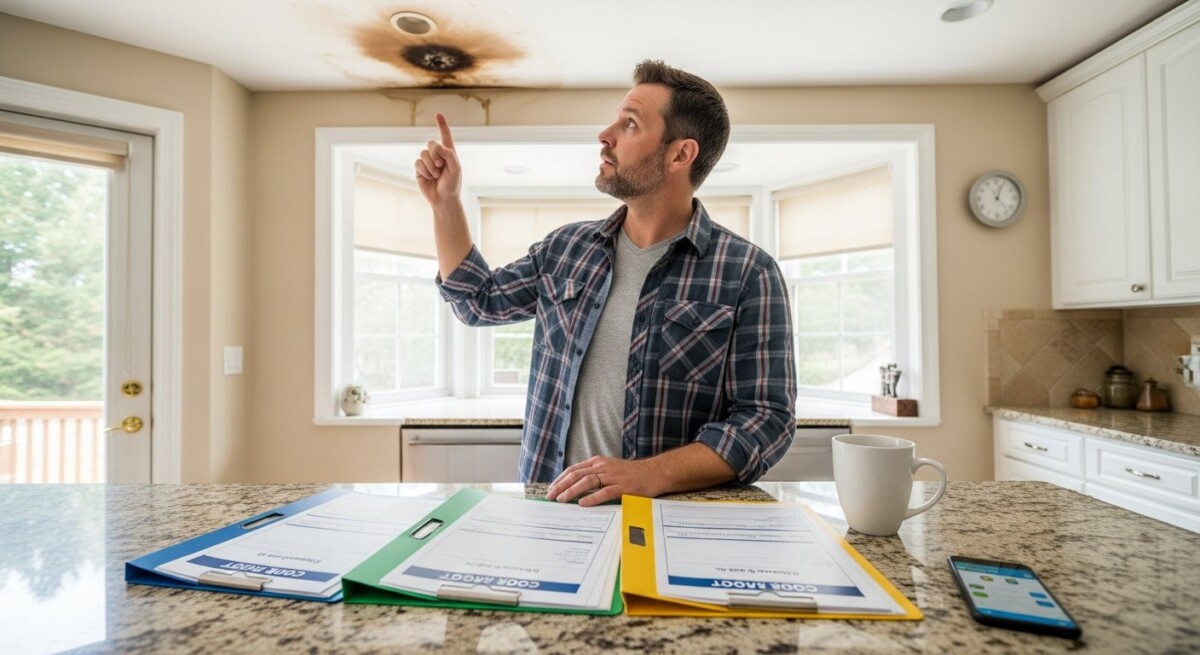
Why Multiple Quotes Are Important for Home Repairs
Learn why multiple quotes are important for home repairs. Comparing contractor estimates saves money, prevents poor workmanship, and protects your home's value.
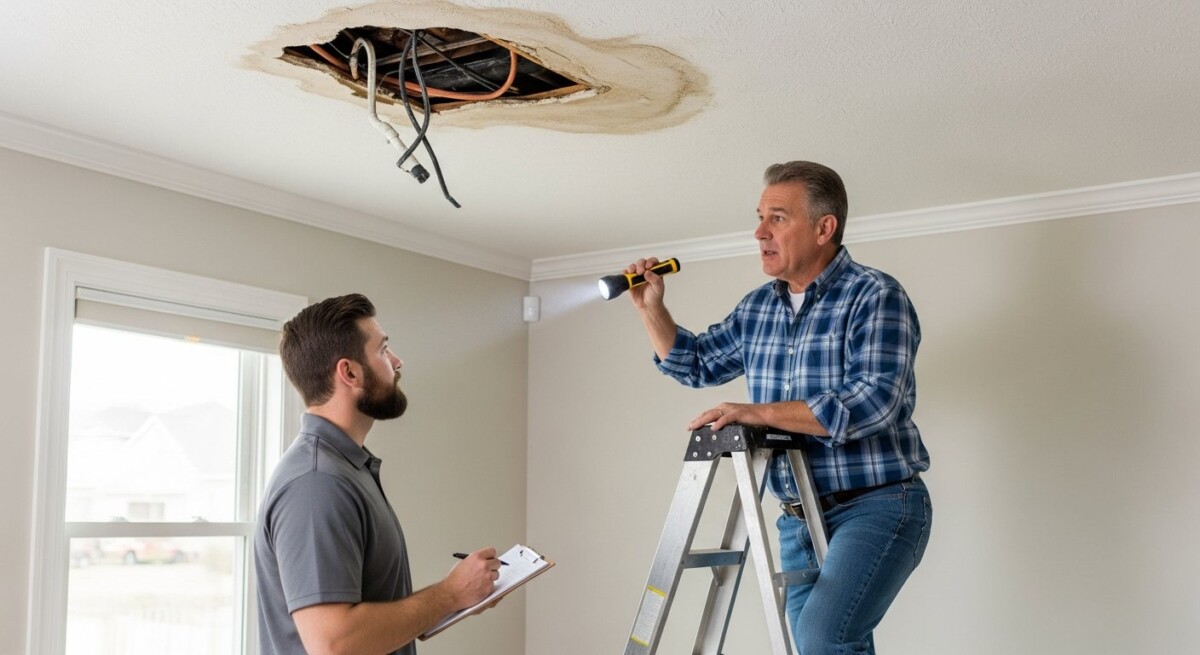
How to Request Home Service Quotes and Save on Repairs
Learn how to request home service quotes, compare contractor estimates, and avoid costly repairs. Step-by-step advice for homeowners.
Find a Pro!
"*" indicates required fields