
Understanding Your Driveway Replacement Estimate
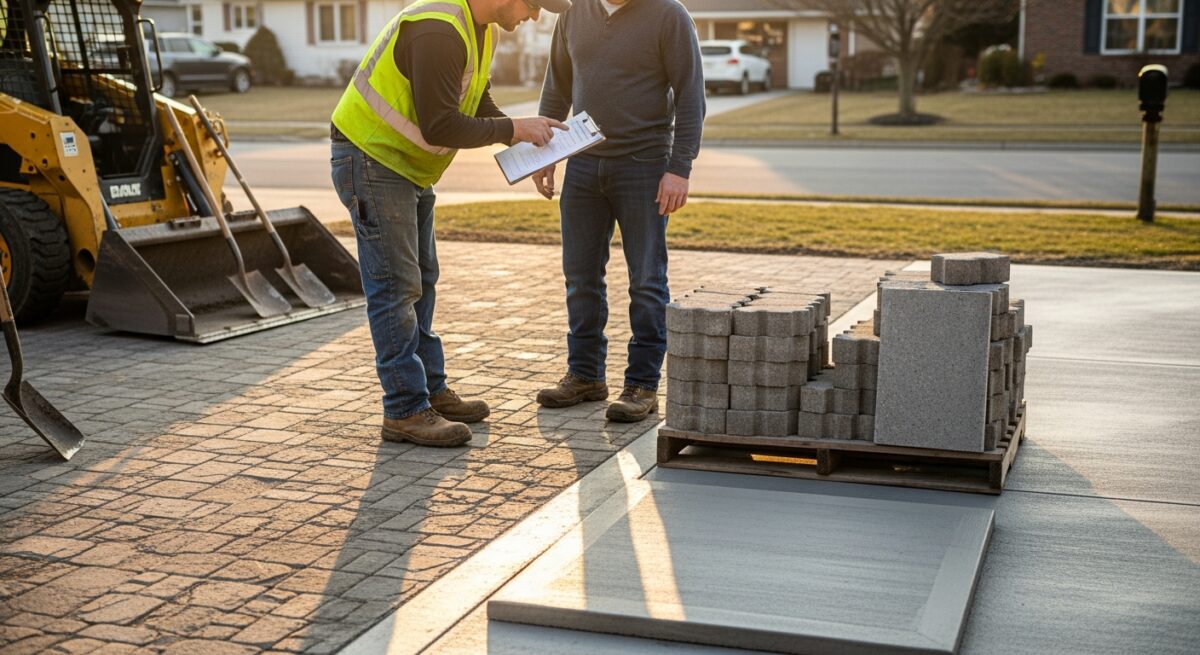
Your driveway is one of the first things you and your guests see, and after years of enduring weather, vehicles, and wear, it might be showing its age. Cracks, potholes, and sinking sections aren’t just eyesores—they can be safety hazards and detract from your home’s value. When repairs are no longer enough, a full replacement becomes necessary. The first step in this significant home improvement project is getting a clear, detailed driveway replacement estimate. This guide will walk you through everything you need to understand that estimate, ensuring you feel confident and informed from start to finish.
A Simple Breakdown of a Driveway Replacement Estimate
A driveway replacement estimate is much more than just a bottom-line price. It’s a detailed document that outlines the scope of work, materials, labor, timeline, and costs associated with removing your old driveway and installing a new one. Think of it as the blueprint for your project’s budget and execution.
A professional estimate protects you by providing a clear agreement on what will be done, preventing misunderstandings and unexpected charges later. It breaks down where your investment is going, so you can see the value behind the number.
Key Components of a Good Estimate
Every reliable estimate should include several core sections. Look for a clear description of the work area (dimensions in square feet), a complete list of materials (type of concrete, asphalt, pavers, etc., including thickness and grade), and a step-by-step labor breakdown. It should also list all costs, from demolition and disposal to installation and finishing, and specify the project timeline and warranty information.
Why a Detailed Estimate Matters for Homeowners
Investing in a new driveway is a major decision. A detailed estimate brings transparency to that investment. It allows you to compare quotes from different contractors fairly, ensuring you’re comparing the same quality of materials and scope of work. Without it, you might be tempted to choose the lowest number, only to find out later it didn’t include crucial steps like proper base preparation or drainage, leading to a failed driveway and more expense.
Beyond comparison, a thorough estimate gives you peace of mind. It sets clear expectations for both you and the contractor, acting as a reference point throughout the project. You’ll know exactly what you’re paying for, why certain steps are necessary, and how the job will progress, eliminating surprises and building trust.
Ready for a clear, transparent quote on your driveway project? Contact us today for a free, no-obligation driveway replacement estimate or call (877) 246-4247 to speak directly with our team.
Common Driveway Issues and Their Causes
Driveways fail for a variety of reasons, and understanding the cause helps determine if replacement is truly needed. Often, the problem starts from the ground up. A weak or improperly compacted base is the most common culprit. When the gravel or soil beneath the surface shifts or washes away, the driveway slab or asphalt has no support, leading to cracks, sinking, and potholes.
Water is another major enemy. Poor drainage or a lack of proper sealing allows water to seep into cracks, freeze, and expand, worsening damage over time. Heavy vehicle traffic, especially from RVs or trucks, can also stress the surface beyond its design limits. Finally, simply using inferior materials or a surface layer that’s too thin during the original installation guarantees a shorter lifespan.
- Alligator Cracking: A web of interconnected cracks, usually from a failing base or heavy loads.
- Potholes: Chunks of material breaking away, often from water intrusion and freeze-thaw cycles.
- Sinking or Settling: Sections of the driveway dipping, caused by soil erosion or a collapsing base.
- Large, Widening Cracks: Often indicate foundational movement or tree root intrusion.
How Professionals Fix the Problem: The Replacement Process
Professional driveway replacement is a multi-step process designed for long-term durability. It begins with a site inspection and precise measurements. Next, the old driveway is broken up and completely removed, with all debris hauled away. This is a crucial step many DIY attempts skip, but a clean slate is essential.
The professionals then focus on the foundation. They excavate to the proper depth, install and compact a stable base of gravel, and ensure proper grading for water runoff. This base work is arguably the most important part of the job—a perfect surface on a poor base will fail quickly. Finally, the new material (asphalt, concrete, or pavers) is installed, finished, and sealed according to manufacturer specifications. For a deeper look at maintenance after installation, our guide on driveway sealing for longevity explains how to protect your investment.
Don’t let driveway problems drag down your home’s curb appeal and safety. Get a professional assessment and a precise estimate tailored to your home by calling (877) 246-4247 now.
Signs You Should Not Ignore
Some driveway wear is normal, but certain signs indicate the structure is failing and replacement should be considered. Small, hairline cracks can often be sealed, but when cracks are widespread, deep, or actively widening, they signal deeper issues. Potholes that reappear after patching are a clear sign the underlying base is compromised.
Pay attention to pooling water after rain. If water doesn’t drain off but sits on the surface or runs toward your home’s foundation, the driveway’s slope is wrong, which can cause further damage to both the driveway and your home. Finally, if multiple large areas are crumbling, sunken, or severely stained, repair becomes a temporary and costly band-aid. A full replacement becomes the more economical long-term solution.
- Extensive, interconnected cracking (alligatoring).
- Deep potholes that return after repairs.
- Significant sinking or elevation changes (tripping hazards).
- Chronic drainage issues and water pooling.
- Surface deterioration over more than 25% of the driveway.
Cost Factors and What Affects Pricing
Every driveway is unique, which is why estimates vary. The primary cost driver is the size of your driveway. Contractors price by the square foot, so a long, wide driveway will naturally cost more than a short one. The material you choose is the next biggest factor. Basic asphalt is often the most budget-friendly option initially, while concrete costs more but can last longer. Pavers and specialty stamped concrete are at the premium end, offering high aesthetic value.
Beyond size and material, site conditions greatly influence price. Is the old driveway easy to access for demolition equipment? Is the ground level, or is significant grading needed? The complexity of the job matters too—adding curves, patterns, or decorative borders increases labor. Finally, regional labor rates and material availability will affect the final number. A detailed estimate will account for all these variables, just as a thorough window installation estimate guide breaks down similar variables for that project.
Want to understand the specific costs for your property? Reach out for a personalized driveway replacement estimate that considers all local factors. Call us at (877) 246-4247 to get started.
How To Choose the Right Professional for the Job
Selecting the right contractor is as important as the estimate itself. Start by looking for licensed, insured professionals with specific experience in driveway replacement. Ask for references and look at photos of their past projects. A trustworthy contractor will willingly provide this.
When reviewing estimates, don’t just look at the total. Compare the line items. Are they using the same quality and thickness of materials? Does the scope of work include all necessary steps like base preparation, compaction, and sealing? Be wary of quotes that are significantly lower than others—this often means corners will be cut. Good communication is key; you should feel comfortable asking questions and confident they will listen to your needs.
Long-Term Benefits for Your Home
A new driveway is an investment that pays off in multiple ways. Immediately, it boosts your home’s curb appeal, creating a powerful first impression that can increase property value. It enhances safety by eliminating tripping hazards from cracks and potholes for your family and visitors.
Long-term, a properly installed driveway with a strong base and quality materials can last 20-30 years or more with basic maintenance. This durability saves you money on repeated repairs and premature replacement. It also protects your home’s foundation by ensuring proper water drainage away from the structure. Ultimately, a new driveway provides daily satisfaction, security, and a solid return on investment for years to come.
Frequently Asked Questions
How long does a driveway replacement typically take?
For a standard residential driveway, the process usually takes 2 to 5 days from demolition to completion. Concrete driveways require curing time, which adds several days before you can drive on them, while asphalt can often be used within a day or two after installation.
What is the average cost per square foot for a new driveway?
Costs vary widely by material and region. On average, asphalt ranges from $3-$7 per sq. ft., concrete from $6-$12 per sq. ft., and pavers from $10-$25 per sq. ft. These are installed prices and include removal of the old driveway.
Can I replace my driveway myself to save money?
Driveway replacement is a heavy, technical job requiring specialized equipment and knowledge. Mistakes in base preparation or finishing are costly to fix and lead to early failure. Hiring a professional ensures correct installation and a lasting result, protecting your investment.
Do I need a permit to replace my driveway?
In most municipalities, yes. A permit ensures the work meets local codes for things like thickness, slope, and drainage. A reputable contractor will usually handle pulling the necessary permits for you.
How do I maintain my new driveway?
Regular sealing (every 2-3 years for asphalt, less often for concrete), prompt cleaning of oil stains, and avoiding the use of harsh de-icing chemicals are key. Keep heavy loads like RVs or dumpsters off it if possible to prevent depressions.
What’s the difference between an estimate and a quote?
An estimate is a professional’s best calculated guess of the project cost based on initial information. A quote or bid is a firmer offer, often with a fixed price for the outlined scope. Always get a detailed written quote before work begins.
Will a new driveway really increase my home’s value?
Yes, significantly. Curb appeal is a major factor for home buyers. A clean, functional, and attractive driveway enhances first impressions and is a tangible asset, often yielding a strong return on investment at resale.
What time of year is best for driveway replacement?
Late spring through early fall is ideal, as temperatures are consistently above freezing. Concrete and asphalt require specific temperature ranges for proper pouring, curing, and compaction to ensure maximum strength and durability.
Understanding your driveway replacement estimate is the first step toward a smoother, safer, and more beautiful entrance to your home. By knowing what to look for in the estimate, the process involved, and the value it brings, you can move forward with confidence. A new driveway is more than just pavement; it’s an investment in your home’s functionality, safety, and lasting appeal.


About
What Is An Insurance Restoration Contractor? A Homeowner’s Guide
An insurance restoration contractor guides you through insurance claims and repairs after home damage. Learn how they protect your investment and simplify recovery.
Understanding Your Driveway Replacement Estimate
Get a clear understanding of your driveway replacement estimate. Learn what factors affect cost, the process involved, and how to choose the right professional for a lasting result.

Your Guide to Understanding Flooring Installation Quotes
Get clear on flooring installation quotes. Learn what to look for, avoid hidden costs, and ensure a smooth, professional installation for your home.
Find a Pro!
"*" indicates required fields